


Panic Hardware
Panic Hardware Installation in Columbus, OH for Commercial Exit Devices
Panic hardware is a push bar or push pad that unlatches a door when someone leans on it. It needs no knob to turn and no key from the inside. You’ll find panic bars on the back doors of stores, offices, schools, and warehouses.
Snap & Crack Locksmith installs, repairs, and rekeys exit devices for Columbus businesses and the surrounding suburbs. Our fully outfitted mobile vans carry the tools for commercial door hardware work, and our storefronts give you a walk-in option. We start every job by looking at the door, whether it’s a new exit door or a bar that no longer latches.
Which Exit Device Is on Your Door?
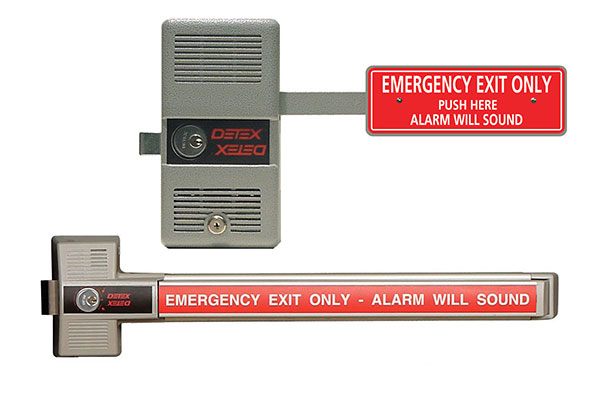
We will help you pick the commercial door panic hardware that is right for you and your business to keep you and your customers safe and secure.
Most commercial doors use one of four exit device styles. The style decides how we install, service, and rekey the device. These are the four styles we see most often:
- A rim exit device is surface-mounted on the inside face of the door and latches onto a strike on the frame. It’s the most common type in commercial buildings and usually the quickest to repair or swap.
- A concealed vertical rod (CVR) exit device runs latch rods inside the door to the top and bottom of the frame. You see only the push bar, but service means getting inside the door.
- A mortise exit device houses the lock case in a pocket cut into the door edge. When we replace one, we match the existing door preparation.
- A surface vertical rod device carries visible rods on the door face. It’s common on pairs of doors with no center post.
If you’re not sure which one you have, look for rods on the door and a latch at the edge. We identify the type when we arrive, as part of our commercial locksmith service. That covers commercial door hardware from a single rim device to a row of heavy-traffic doors.
Is Panic Hardware Required by Fire Code?
In many commercial buildings it is, depending on how the building is used and how many people it holds. Model codes such as the IBC and NFPA life safety standards call for panic hardware on certain exit doors. Those doors must open without a key or special effort.
Fire-rated doors have an extra requirement, because the hardware on a fire door must carry a label for that use. Fire-rated hardware helps slow the spread of smoke and flames, so a device that looks right but isn’t rated can fail an inspection. We install the hardware your door calls for, but we don’t certify code compliance ourselves.
Repair and Replacement for Every Device Type
People shove exit devices open all day, so they wear out. Typical symptoms are a bar that sticks, a latch that misses the strike, a door that won’t close fully, or a key cylinder that no longer turns. We check the door, frame, and strike first, since a sagging door causes many problems that look like hardware failure.
From there we repair or replace the device, depending on wear and on whether the door’s fire rating allows a swap. Rim, concealed vertical rod, mortise, and surface vertical rod devices each fail in their own ways. We tell you which one you have before work starts. We work on the exit device and its hardware, and replacing the door or frame itself is outside what we do.
How Panic Device Rekeying Works
We can rekey an exit device that has a key cylinder, so old keys stop working. For a standard cylinder, we change the internal pins to fit a new key. An interchangeable core (IC core) cylinder has a removable core that we swap out with a control key, which speeds things up across many doors.
Rekey whenever the people holding keys change, such as after a staff departure, a lost key, or a tenant move. Exit device cylinders can also join a master key system, so a manager’s key opens every exit door while staff keys open only their own. We plan that layout with you before touching a cylinder, using the same approach as our lock rekeying and master key systems work.
What Dogged-Down and Holdback Devices Do
Dogging holds the push bar down so the latch stays retracted and the door swings freely from either side. Businesses use it during open hours on busy doors, then release it at closing so the door latches again. A door left dogged overnight is a security gap, so build the release into your closing routine.
Fire-rated doors and some occupancies restrict dogging. If you aren’t sure you’re allowed to use it, ask your fire marshal first. We set up, adjust, or remove dogging so the device matches what your inspector expects.
What We Need to Know Before a Visit
A few details let us give you an honest quote over the phone and arrive with the right parts. We explain what’s included, so there are no hidden fees or unnecessary upsells. Have this information ready when you contact us:
- The device style, if you know it: rim, concealed vertical rod, mortise, or surface vertical rod
- The brand name on the device case, if you can see one
- Whether the door sits in a fire-rated opening, often marked on a label at the door edge
- What the device is doing: sticking, not latching, or keyed wrong
- Any damage to the door or frame, which is outside our scope, so we’ll flag it up front
Snap & Crack Locksmith is a locally owned, bonded and insured company that has served Columbus since 2013. You’ll see the price before work begins. We also tell you what we plan to do before we start.
Schedule Panic Hardware Installation in Columbus Today
If you need new panic bars, a failing device replaced, or your cylinders rekeyed, tell us which doors are involved. Tell us what each one is doing, and we’ll help you identify the device type. We’ll then schedule the work. Contact us today to get started.
Columbus, OH Panic Hardware FAQs
Can panic hardware be rekeyed?
Yes, as long as the device has a key cylinder. A push bar with no cylinder has nothing to rekey. Tell us what’s on your door and we’ll confirm before you book.
What is a concealed vertical rod exit device?
A concealed vertical rod device, often shortened to CVR, hides its latch rods inside the door. When someone presses the bar, the rods pull in from the top and bottom latches together. It looks cleaner than surface rods, but a repair usually takes longer than on a rim device.
Is panic hardware required by fire code?
The requirement depends on the building’s occupancy type and occupant load, so it differs from one business to the next. The Ohio Building Code is based on the IBC, and your local code official makes the final call on your building. Ask the fire marshal or building department before you buy, then bring us their answer so we can match the hardware to it.
Do you repair exit devices in Columbus?
We do, and repairs range from adjusting a latch to replacing a worn bar. We also change out exit device hardware when a device is beyond repair. If a failed device leaves you unable to secure the building, our <a href=”https://snapandcracklocksmith.com/lockout-service/”>lockout service</a> can get you back inside while we talk through a permanent fix.
What's the difference between a panic bar and an exit device?
Panic bar is the everyday name for the push bar you see on the door. Exit device is the trade term for the whole assembly, including the bar, latch, and any rods or trim. On a fire-rated door you’ll usually find fire exit hardware, which carries a label showing it’s approved for that opening.